Journal · 8 October 2026 · CarSeen team
Car music video ideas: 10 looks and how to pull them off
Published · Updated
A car can carry a whole music video: the artwork, the attitude, the story. It can also eat half the budget and a whole day if the idea doesn't match the car or the logistics. Here are ten looks we see in music video treatments, with the practical points behind each one.
Good music video car hire starts with the treatment, not the car. Every look below is something we cast through music video car hire from private owners and collectors, so the practical notes come from real shoots rather than wish lists.
1. The night drive
Neon reflections, wet tarmac and a driver lit by the dashboard. An 1980s or 1990s car makes the retro version, and a modern performance car makes it feel current. If it's shot on the move, it means planning a route and police contact in London. Many productions shoot it static, with moving light passing over the car, which is cheaper, safer and easier to light. See our guide to how to film driving scenes.
2. The lowered American classic
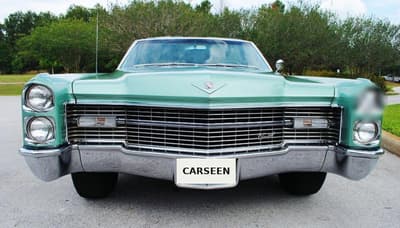
A 1960s Cadillac, Chevrolet or Lincoln, low and slow, with the roof down. It suits summer tracks, R&B, hip-hop and anything with a West Coast feel. Most are left-hand drive and long, so check the location's access and turning space. Browse American cars.
3. The supercar performance shot
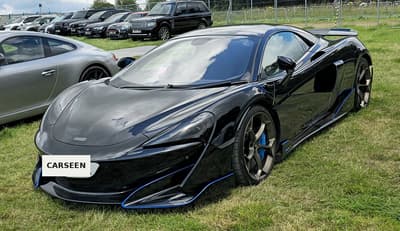
The artist with a supercar, doors up, in a car park, studio or tunnel. It's mostly static, which suits the owners of high-value cars. Expect conditions about who can touch, sit in or drive the car. Agree them before the day, not on set. See supercars.
4. The 80s poster car
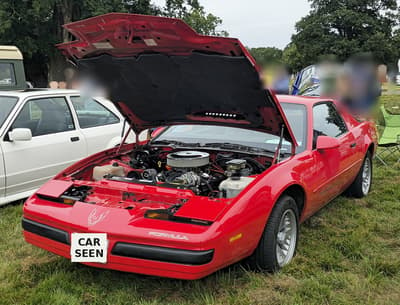
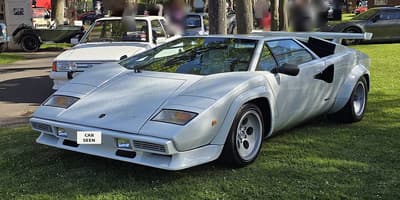
A Countach, Testarossa, DeLorean or Firebird says "1980s" instantly. Pair it with period wardrobe and grading for a retro video. Some of these cars are rare and owners can be protective, so give plenty of notice. Browse 1980s cars.
5. The road trip
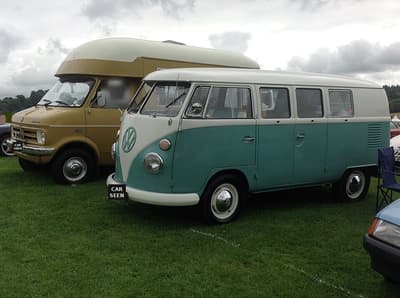
A camper van, a pickup or an old estate, loaded with friends and heading somewhere. It works for indie, folk and feel-good pop. A VW camper is a classic choice. Allow time between locations, because older vehicles aren't quick.
6. The British everyday
A tired hatchback, a Ford Sierra, a Vauxhall, a Transit, parked on an estate or outside a chip shop. Grounded and honest, it suits UK rap, grime and indie. These cars are often easier on the budget than exotic options, and they tell a story audiences recognise.
7. The car as a set
The whole video is shot inside or around one car, with performance in the back seat, the car parked in a field, or the car in a studio under coloured light. It means one car and one location, with plenty of control. Check whether doors, seats or the roof can come off for camera angles. Ask, because every owner is different.
8. The chase or getaway
Two cars, a narrative and some speed. It looks great, but it's the most demanding to plan. Driving action on public roads needs road and police permissions, competent drivers and rehearsal. Many videos fake it with tight framing and edits rather than real speed. Read filming car scenes on public roads before committing.
9. The luxury arrival
A Rolls-Royce or Bentley pulls up and a chauffeur opens the door. It suits aspirational and celebratory tracks, and it's often a short static or slow-moving shot, which keeps it manageable.
10. The colour match
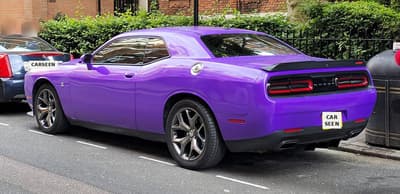
The car exists to match the artwork, such as a pink Cadillac, a yellow Mustang or an all-black SUV. Start with the colour, then find the car. Tell us the exact palette, because colour is often the hardest part of the brief to fill.
Matching the car to the genre
There are no rules, but some pairings come up again and again in treatments:
- Hip-hop and R&B: lowered American classics, luxury saloons, modern supercars and big SUVs.
- UK rap and grime: everyday British hatchbacks and saloons, hot hatches, vans and estate settings.
- Indie and rock: camper vans, battered estates, pickups and 1970s saloons.
- Pop: colour-matched classics, convertibles and anything playful.
- Electronic and synth-pop: 1980s wedge-shaped sports cars, neon and night drives.
Breaking the pattern can work brilliantly too. A grime video with a 1960s Rolls-Royce, or an indie track with a supercar, gets noticed precisely because it's unexpected.
Safety first
Music videos often ask for the shots that carry the most risk, such as performers on bonnets, hanging out of windows or standing up in a convertible. Keep those shots static, or on a closed set with a proper risk assessment, and never with someone riding on the outside of a moving car on a public road. Moving shots should follow the same planning as any other driving scene, with route permissions where needed and a competent driver. A safe plan protects the artist, the crew and the car.
Practical points for every idea
- Say exactly how the car will be used: static, pushed into position, rolling or driven by the artist. It decides which cars are possible.
- Agree contact rules: sitting on bonnets, dancing on roofs, open doors and so on. Owners vary widely.
- Plan reflections: glossy paint and chrome reflect crew and lights.
- Allow time: car arrival, positioning and cleaning between set-ups all take longer than people expect.
- Check access: studios have door widths and floor loads, and locations need room to park, turn and stage.
Budget-friendly approaches
Music video budgets vary enormously. If money is tight, choose one strong car over several weaker ones, keep it static, shoot it in one location and schedule it for a single day. Shoot all the car set-ups together, so the car isn't waiting around between performance scenes. Tell us your budget range in the brief so we can suggest realistic options.
See music video car hire for how CarSeen sources cars for music videos.
Related: Browse picture cars for film and TV, explore period cars for film by decade and TV car hire, or read about choosing a picture car hire company and picture car rental.
Got a treatment? Send us a brief with the look, the location and how the car will be used, and we'll shortlist cars to match.
FAQs
What cars work best in music videos?
It depends on the track and the look. American classics, supercars, 80s poster cars, luxury saloons, camper vans and everyday British cars all appear in music videos. Start with the story and the colour palette.
Can the artist drive the car in a music video?
Sometimes. It depends on the car, the owner and the insurance in place. Tell us how the car will be used and we'll confirm the options for each car.
Can we shoot a car music video without driving?
Yes. Many music videos shoot the car static, with moving light, rocking and tight framing to suggest movement. It's simpler, safer and avoids public-road permissions.
How far in advance should we book a car for a music video?
As early as possible, especially for rare cars or specific colours. The more notice you give, the more options we can find.
Related reading
- Picture car hire companies in the UK: how to choose
- How to film driving scenes: low loaders, A-frames, tracking vehicles and static set-ups
- What does a picture car coordinator do, and how do you brief one?
- Filming with police cars and uniforms in the UK: what the rules say
- ULEZ and the Congestion Charge: what period picture cars pay on a London shoot
- Number plates for filming: dating, period plates and the rules