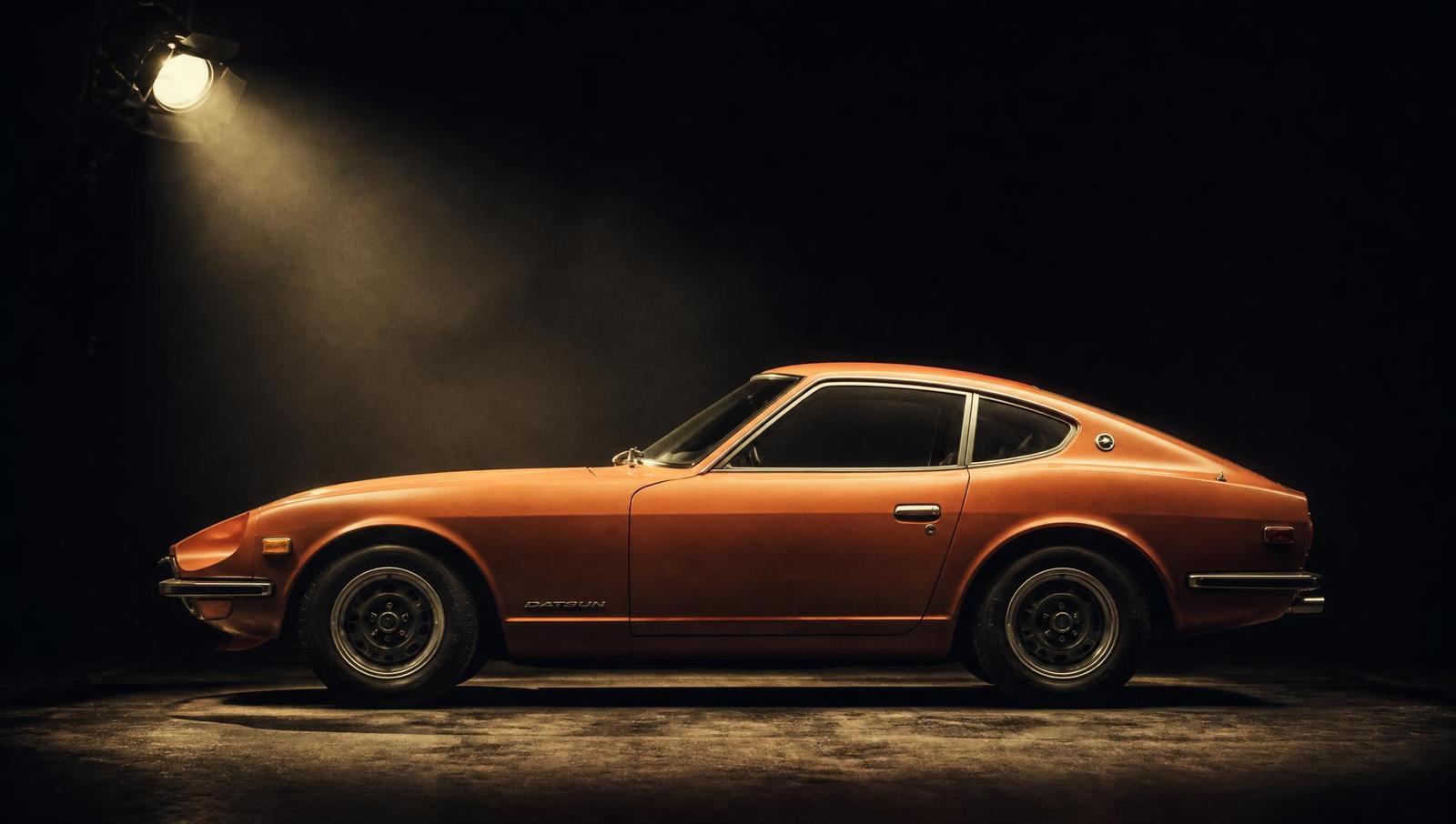
CarSeen provides background vehicles for film, TV and commercials across the UK, with background vehicle hire from a handful of cars to a whole street. Nobody watches the cars parked behind the actors, until one of them is wrong. Background vehicles make a setting believable: the street outside a 1970s terrace, a supermarket car park in the 1990s, a row of present-day cars outside a police station. We coordinate their arrival, positions and wrap.
How do I brief background vehicles for a scene?
It depends on what the camera sees. Share the frame, the length of street in shot, the year and the location, and say which vehicles are parked and which pass through a take. Mark any car that must return for continuity and any colours or brands to avoid. We cast a mix that suits the period and coordinate arrival, positions and wrap.
As of October 2026, the catalogue lists 2,500+ cars.
Updated
What background vehicles do for a scene
Background cars set the period, the place and the social world of a story without a word of dialogue. A street of tired family saloons says something different from a mews of executive cars. They also hide what you don't want on camera, such as modern cars that can't be moved, empty kerbs or out-of-period street furniture. And they give the camera depth and movement when cars pass through shot.
For featured or hero cars, see our picture car hire service.
Period street scenes
For period work, the key is realism rather than perfection. A real street in any year was mostly cars several years old, a few new models and the odd much older survivor, in a range of colours and conditions. Our catalogue covers every decade from the pre-war years to the 1990s, so we can cast a mix that matches your year. See period cars for film, or browse 1960s, 1970s and 1980s cars.
Contemporary streets, car parks and driveways
Present-day scenes need background vehicles too, especially when a location's own cars can't appear or a production needs control over brands and colours. The catalogue includes modern hatchbacks, saloons, SUVs and vans, so a contemporary street can look ordinary and stay consistent across shooting days.
Whether your call sheet says background cars for film, background vehicles for TV or street dressing vehicles, the job is the same: ordinary, believable vehicles in the right positions, returning unchanged for every block. Tell us the setting and the year and we'll propose the mix.
How we cast background vehicles
Tell us the scene, the year, the location and roughly how many vehicles you need, plus any must-avoid colours, brands or body styles. We come back with a proposed group, with photos, so your art department can sign off the mix before the day. For continuity across several days or episodes, we discuss the schedule with owners before anything is confirmed, so the same cars come back for each block.
On the day
Background vehicles arrive in the order the scene needs. Owners or drivers stay on standby to move cars between set-ups. We work with your locations team on parking suspensions and holding areas. In London, permissions for on-street filming go through the borough film service. See picture car hire in London for more on filming logistics in the capital.
Cars you can brief us on
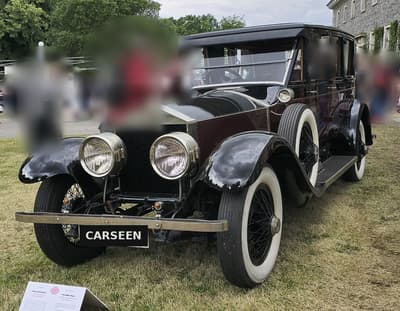
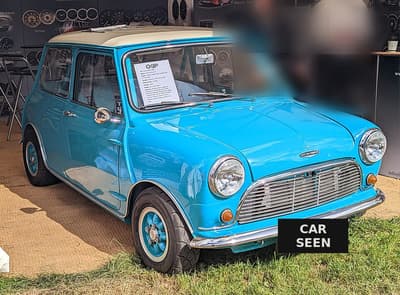
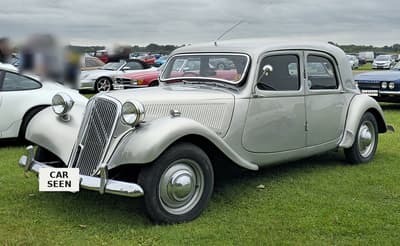
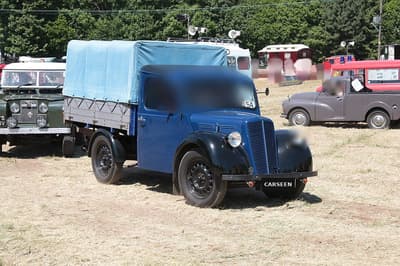
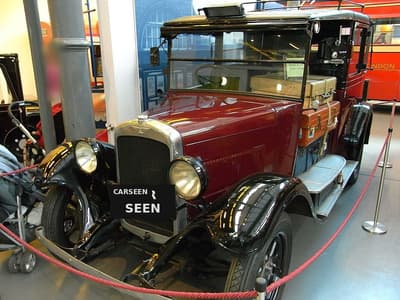
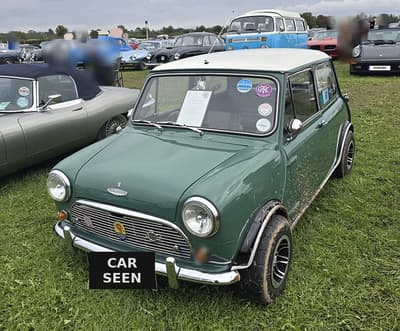
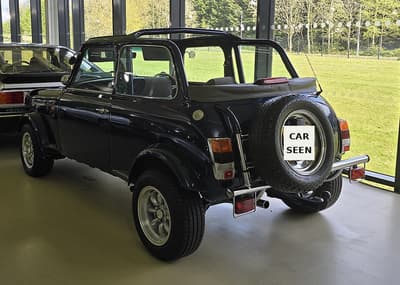
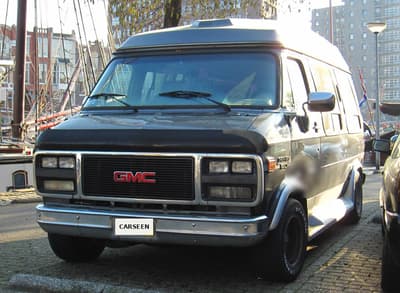
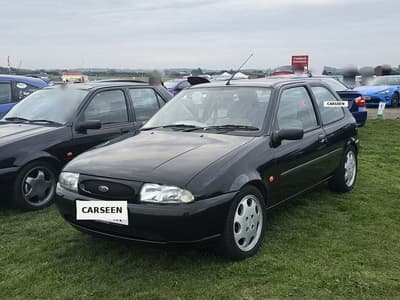
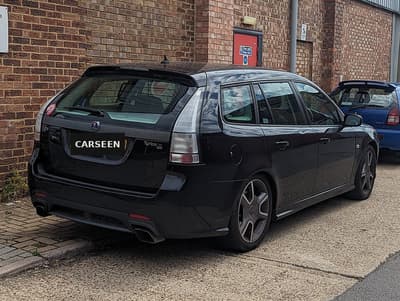
A selection of everyday cars and vans from our catalogue. Any listed car can be briefed as a background vehicle, and availability is confirmed when you send your requirements.
Related
How many cars for a street scene?
Start with the camera's view rather than a fixed number. Share the frame, the length of street in shot, parked positions and any passing traffic. Tell us which cars are featured and which fill the background, along with dates and continuity needs. We will propose a group and confirm what is possible with owners.
Mixing periods on a street
A believable period street is not a row of cars all made in the story's year. Include older vehicles, a mix of colours and ordinary working cars where the scene calls for them. Give us the exact setting and any must-avoid models, so the group belongs to the story. See period cars for film.
Build the mix from the camera's view
A street needs a mix, not a parade. Begin with the camera angle and decide which positions are recognisable, which read only as shapes and which might change as the camera moves. A car immediately behind a speaking actor can be more visually important than a whole row in the distance. Give those positions a clear priority in the brief, along with any colours or silhouettes that distract from the cast.
For a period setting, avoid choosing only the newest cars available in that year. Older saloons, small hatchbacks, working vans and a familiar taxi can help the street feel inhabited. Condition matters too: a pristine collector car does not automatically look like an everyday commuter. Share the intended social setting and any references from the art department so the proposed group is cast for the world of the scene.
Parked positions and passing traffic
Separate stationary dressing from vehicles that pass through a take. A parked estate may only need a position and an arrival window; a taxi crossing the background needs an agreed route, driver and reset arrangement. State whether doors open, lights are used or people get in and out. These details can change what is being asked of the car even when it never becomes a hero vehicle.
Holding space and access belong in the plan. Share restrictions that affect arrival or movement, and make clear who on the production controls positions and cues. If the camera turns around, record which cars need to remain visible from the other direction. For more involved movement, our action vehicle hire guide helps separate appearance requirements from the planned driving.
Continuity, alternatives and cost
Mark the vehicles that must return unchanged and the positions where an alternative could work. Continuity can depend on visible interior details, roof shape, colour and dressing rather than simply the make. Share all likely return dates before booking. An owner being available for the first day does not establish availability for later blocks, and an early shortlist is not a series-long reservation.
The quote reflects the mix, duration, transport, drivers, standby and planned use. Send a schedule that includes arrival and wrap rather than only the time the camera runs. If the brief allows alternatives, say what can vary without changing the scene. We can discuss a workable group without inventing a fixed price or promising a number before owners have confirmed. For television streets with buses, trucks or other commercial vehicles, see TV production vehicle hire, then send a free brief with your frame and dates.
Why CarSeen
- 2,500+ cars in the catalogue
- Based in Shoreditch, London, sourcing from owners across the UK
- Our team have worked with productions for film, TV and advertising — see our credits
- How we protect owners: owner-submitted listings use the owner's own photos with plates covered, and never show names, addresses or registrations
FAQ
What are background vehicles in film?
Background vehicles are cars, vans and other vehicles that appear in shot to make a setting believable, parked on a street or passing through, without being featured in the story.
How many background vehicles can you supply?
That depends on the period, the location and how much notice we have. Tell us what the scene needs and we'll propose a group.
Can you match background cars to a specific year?
Yes. Tell us the year your story is set and we'll cast a realistic mix of ages, colours and conditions for that date.
Can the same background cars return for several shooting days?
Yes, where owners are available. We discuss your schedule with owners before confirming, so cars can return for continuity.
What affects the cost of background vehicle hire?
The mix of vehicles, number of days, transport, drivers, standby and planned movement affect the quote. Share the frame and schedule so the group can be considered for the actual job, rather than an assumed price per parked car.
Can background vehicles move during a take?
Tell us the route, surface, planned driver and number of passes. Passing traffic needs an agreed movement plan, not just a parking position, and any change from static to moving use must be discussed before booking.
Do background vehicles come with drivers?
Many owners stay with their car on the day and can move it between set-ups. We confirm this for each vehicle when we send options.
Dressing a street?