Journal · 8 October 2026 · CarSeen team
Filming car scenes on public roads in the UK: permissions and planning
Published · Updated
Sooner or later, most scripts put a car on a real road. Filming moving vehicles on public roads in the UK is possible, but it needs planning, permissions and the right kit. This guide explains who you need to talk to, with a focus on London, and links to the official guidance so you can check the detail for your shoot.
Can you film on public roads in the UK?
Yes, but how depends on what you're doing. A car simply driving normally in traffic while you film from the pavement is very different from a tracking vehicle, a low loader, a stunt or a closed road. The more you affect other road users, the more permissions and lead time you need.
Talk to the film office first
In London, the borough film service (or Film London, which can point you to it) is the first call for most location filming. Film London's road closures guidance explains that the London Local Authorities and Transport for London Act 2008 lets traffic authorities close roads for filming by Order or Notice. Enquiries go to the relevant borough film service, or to TfL for its red routes. Film London says lead-in times are typically at least eight weeks, and some authorities ask for up to 24 weeks. A traffic management plan is required.
The City of London's filming guidance says road closures in the City need at least 12 weeks' notice. Outside London, contact the local authority's film office or highways team, and the local police. Requirements vary by area.
Outside London, regional film offices in England, and national screen agencies such as Screen Scotland, Creative Wales and Northern Ireland Screen, can usually point you to the right local authority and police contacts. Rules, notice periods and fees vary, so ask early and get any permission in writing.
TfL red routes
TfL is the highway authority for London's red routes. Its filming guidance says you need TfL's permission to film on red routes, and there is an application fee. Contact TfL's red route filming team (redroutefilming@tfl.gov.uk) early if your route uses a red route.
The police
The Metropolitan Police publishes guidelines for filming on the move in London. Among other points, it says:
- Tracking vehicle, low loader and A-frame work must be referred to the police with the exact route.
- Filming on roads with speed limits over 40mph may need police involvement.
- Holding or stopping traffic needs a traffic order (a TMO or TTO); a production can't simply stop traffic itself.
- Vehicles must be taxed, insured and MOT'd.
- Rigging should be carried out or supervised by suitably qualified grips.
- Method statements and risk assessments are required.
The City of London says police assistance for traffic holds must be booked at least two weeks ahead. Read the full Met guidance before planning any moving work in London.
Picture cars on the road
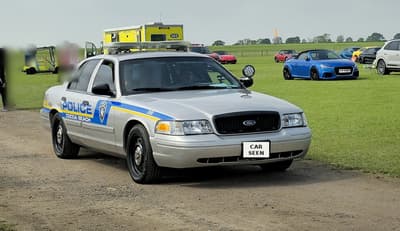
On the public road, a picture car is a road vehicle like any other. It must be roadworthy, taxed, insured and MOT'd where required, and it must display its own registration correctly. Screen-only plates, fake liveries and props that would mislead other drivers need care. Our posts on number plates for filming and filming with police cars explain why. The City of London adds that low loaders and tracking vehicles must also be roadworthy, licensed and insured.
Safety: the HSE view
The HSE's guidance on managing risks in film and TV (ETIS22) covers vehicle work as part of a production's wider risk management. Plan who is responsible for each vehicle and driver, and make sure risk assessments cover the route, the public and the crew.
Insurance and drivers
Check the insurance position for every vehicle before the shoot. The production's own insurance, the car owner's cover and any low loader or tracking vehicle operator's cover each play a part. Tell us who will drive each car, whether it's the owner, a professional driver or a cast member, because that decides which cars are suitable and what cover is needed. Cast driving on public roads deserves particular care, especially with unfamiliar or classic cars.
Ways to reduce the burden
- Use a low loader or process trailer. The actor can perform while a professional drives the tow vehicle. See how to film driving scenes.
- Shoot static with moving light and background plates for interior dialogue.
- Choose private roads or estates for complex action.
- Shoot early mornings or weekends where the film office advises.
- Cast background traffic so you control what's in shot. See background vehicle hire.
Timeline checklist
- As soon as the script is locked: list every moving-vehicle scene and its location.
- 8 to 24 weeks out (London road closures): approach the borough film service, or TfL for red routes.
- Early prep: confirm picture cars, drivers, low loader or tracking vehicle, and insurance.
- At least two weeks out (City of London): book police assistance for traffic holds.
- Before the day: circulate the method statement, risk assessment, route and contacts.
This article summarises public guidance for planning purposes and is not legal advice. Requirements change, so always check the latest guidance with the film office and police for your area.
For London shoots, see picture car hire in London. For police vehicles, see police and emergency vehicles.
Related: Browse picture cars for film and TV, explore period cars for film by decade and TV car hire, or read about choosing a picture car hire company and picture car rental.
Planning a road sequence? Send us a brief with your route and dates, and we'll match road-legal picture cars to your schedule.
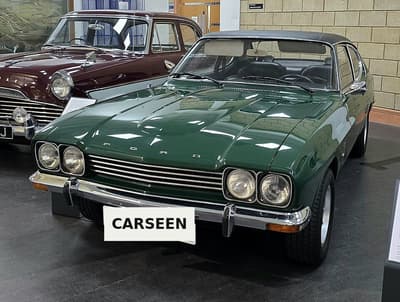
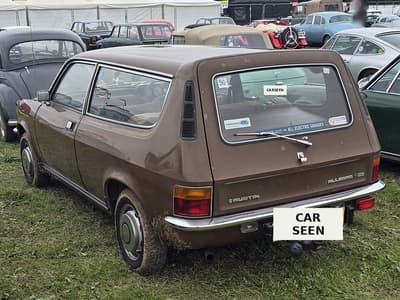
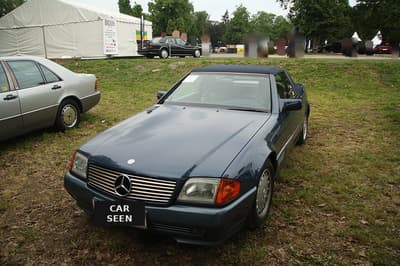
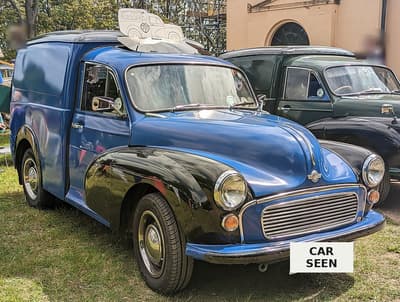
Cars featured in this guide
FAQs
Can you film on public roads in the UK?
Yes, with the right permissions. Talk to the local film office first. Moving-vehicle work, road closures and traffic holds need police involvement and traffic orders, with long lead times.
How long does a road closure for filming take to arrange in London?
Film London says lead-in times are typically at least eight weeks, and some authorities ask for up to 24. The City of London asks for at least 12 weeks' notice.
Do you need permission to film on TfL red routes?
Yes. TfL says you need its permission to film on red routes, and there is an application fee.
Can a production stop traffic for filming?
Not on its own. The Met's guidance says traffic holds need a traffic order and police involvement.
Related reading
- Picture car hire companies in the UK: how to choose
- How to film driving scenes: low loaders, A-frames, tracking vehicles and static set-ups
- What does a picture car coordinator do, and how do you brief one?
- Filming with police cars and uniforms in the UK: what the rules say
- ULEZ and the Congestion Charge: what period picture cars pay on a London shoot
- Number plates for filming: dating, period plates and the rules