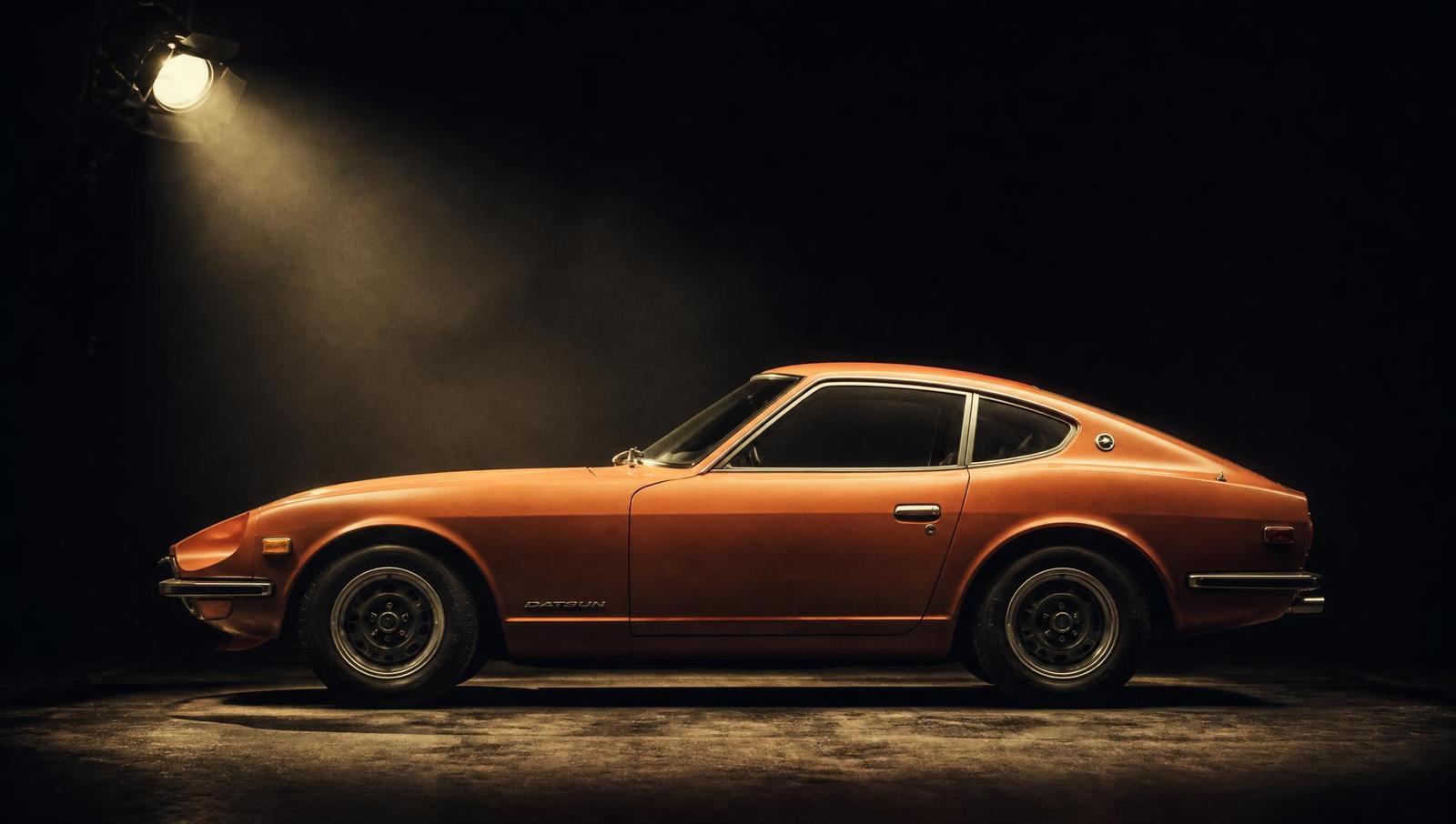
Audiences may not know why a scene feels wrong, but they notice. The right car helps a street, a character and a decade belong together, from the 1910s to the 1990s.
Period vehicle hire for film starts with the year of the story, then the cars that belong in that year.
Period cars by decade
- 1910s · 3 cars and 1920s · 18 cars. Early motoring, from the Ford Model T to the Austin Seven. See also vintage and pre-war cars.
- 1930s · 47 cars. Tourers and saloons such as the Humber Snipe, along with Rolls-Royce and Bentley for grand houses.
- 1940s · 37 cars. Wartime and austerity Britain, including military vehicles like the Willys Jeep.
- 1950s · 145 cars. The Morris Minor, rounded saloons and the first London FX3 cabs.
- 1960s · 371 cars. The Jaguar Mk II, Ford Cortina, Mini and the Routemaster bus.
- 1970s · 379 cars. Big saloons like the Ford Granada, the first Fiestas and a lot of brown and orange.
- 1980s · 380 cars. Hot hatches, boxy estates and the police panda car.
- 1990s · 371 cars. The everyday cars that are now surprisingly hard to find in good, original condition.
Catalogue images are representative of each model. Your shortlist shows the real cars available for your dates.
Classic and vintage car hire for films
Searching for classic or vintage car hire for a film? On set, "period" simply means correct for the year of the story. That might be a 1930s tourer for a country-house drama, a 1960s Jaguar for a crime series, or a 1990s hatchback for a flashback. Tell us the year the story is set and the kind of character who owns the car, and we will shortlist picture cars that fit. For individual classics and hero cars, see classic car hire for filming. For long-running series, see period cars for TV drama.
Plates, streets and checks
Before a car reaches your shortlist we check its model year, trim and details against the year of the story. Plates matter too: see our guide to number plates for filming. Dressing a whole street is a job in itself, and our page on background vehicles for film explains how we cast groups of everyday cars by era.
If the brief isn't period, start with our picture car hire service.
What makes a car period-correct
Age mix. A street in 1975 wasn't full of 1975 cars. Most cars on the road were several years old, and some were much older. A believable background mixes ages, with only a few cars from the current year.
Condition. Showroom-perfect classics can look wrong in a working-class street or a wet provincial town. The right amount of wear and patina matters as much as the right model.
Number plates. UK plate styles changed over the years. From 1963, a year letter was added as a suffix; in 1983 it moved to the front; and the current format arrived in 2001. Cars registered from 1973 had to use reflective white and yellow plates, while older cars could keep black-and-silver ones. Plates should suit both the car and the year of the scene.
Details that give the game away. Modern alloy wheels, LED bulbs, phone holders, parking permits, stickers and sat-navs all need removing or hiding. Paper tax discs were shown in windscreens until 2014, so scenes set before then may need one.
Left or right-hand drive. UK-set scenes need right-hand drive. US or European-set scenes shot in Britain need the opposite, and we source American and continental cars too.
Period picture cars you can brief us on
A spread of period picture cars across the decades. Every listing can be briefed, and availability is confirmed when you send your requirements.
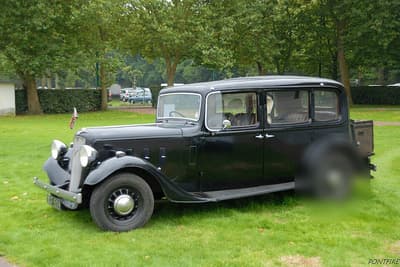 Representative image
1937 Austin Eighteen
Representative example: we source this model from our network
All Austin Eighteen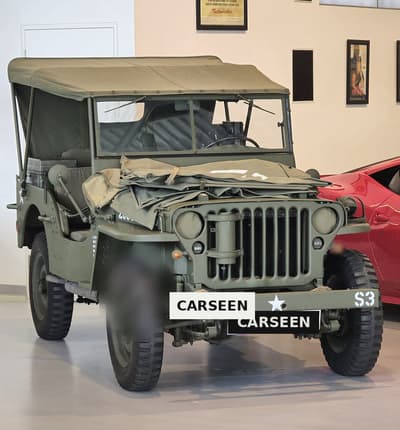 Representative image
1942 Willys Jeep
Representative example: we source this model from our network
All Willys Jeep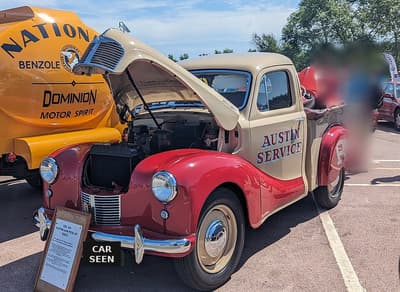 Representative image
1950 Austin A40
Representative example: we source this model from our network
All Austin A40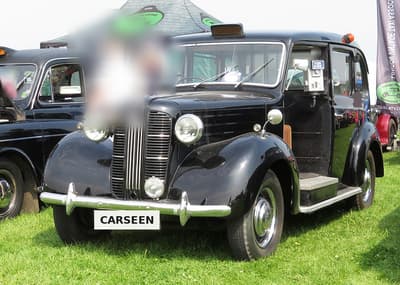 Representative image
1957 Austin Taxi
Representative example: we source this model from our network
All Austin Taxi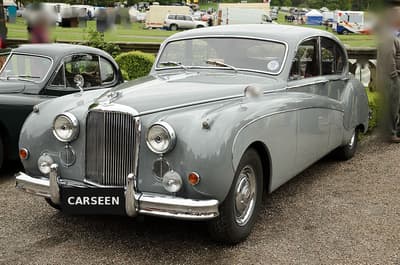 Representative image
1961 Jaguar MK IX
Representative example: we source this model from our network
All Jaguar MK IX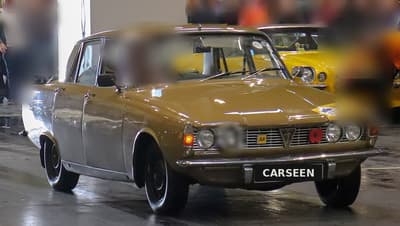 Representative image
1968 Rover 2000
Representative example: we source this model from our network
All Rover 2000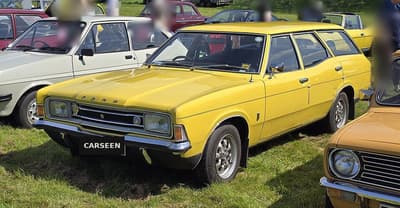 Representative image
1975 Ford Cortina
Representative example: we source this model from our network
All Ford Cortina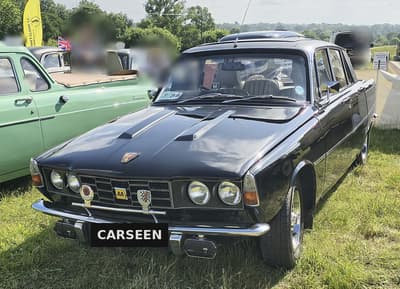 Representative image
1974 Rover P6
Representative example: we source this model from our network
All Rover P6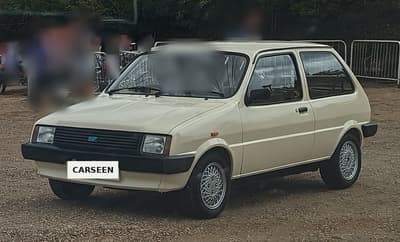 Representative image
1983 Austin Metro
Representative example: we source this model from our network
All Austin Metro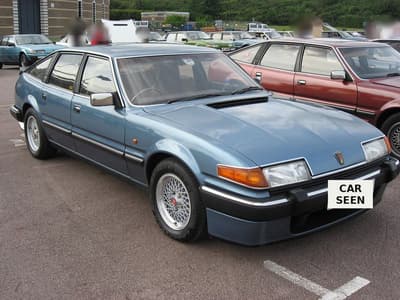 Representative image
1985 Rover SD1
Representative example: we source this model from our network
All Rover SD1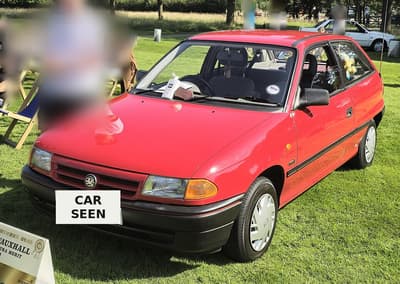
Cars from the catalogue
One real catalogue car per decade, from the 1910s to the 1990s. Follow a car to its page for details, or open its decade to see everything from that era.
- 1910s: 1914 Ford Model T
- 1920s: 1923 AC Empire
- 1930s: 1930 Austin Seven
- 1940s: 1940 Chevrolet Chevy
- 1950s: 1950 Austin A40
- 1960s: 1960 Alfa Romeo Giulietta
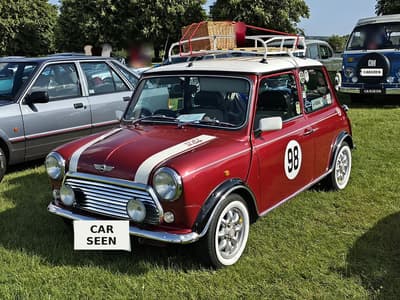
- 1970s: 1970 Austin Mini Cooper S
- 1980s: 1980 Austin Allegro
- 1990s: 1990 Austin Maestro
Browse by make: Ford · Volkswagen · Chevrolet · Austin · Mercedes-Benz · BMW · Porsche · Land Rover
Browse by decade: 1910s · 1920s · 1930s · 1940s · 1950s · 1960s · 1970s · 1980s · 1990s · 2000s
Background street scenes
Dressing a period street means casting many cars at once, placing them and often moving modern cars out of shot. We can cast matching groups by era, keep a mix of ages and colours, and coordinate owners and call times so the cars arrive in the order the scene needs. In London, parking suspensions and street permissions go through the Borough Film Service. See our London picture car guide, which also covers the ULEZ exemption for vehicles built before 1973 and for historic-class vehicles over 40 years old. Period streets also need period vans, cabs and police cars. See police and emergency vehicles and taxis and black cabs.
Credits
Our team have worked with Netflix, Amazon Prime Video, BBC, Channel 4, Paramount, Apple TV, Meta, Google, Disney+ and Discovery. See credits.
Related
Why CarSeen
- 2,500+ cars in the catalogue
- Based in Shoreditch, London, sourcing from owners across the UK
- Our team have worked with productions for film, TV and advertising — see our credits
- How we protect owners: owner-submitted listings use the owner's own photos with plates covered, and never show names, addresses or registrations
FAQ
How do you check a car is right for the period?
We check the model year against the year your story is set, so a car never appears before it was launched. We also look at trim, wheels, plates and condition, and flag anything modern that needs hiding.
Can you supply a whole period street?
Yes. Tell us the year, the setting and how many cars you need. We'll cast a matching group with a believable mix of ages and colours, and coordinate owners and call times.
How far ahead should we book period cars?
As early as you can, especially for large background groups or rare hero cars. Tell us your dates in the brief and we'll be straight with you about what's possible.
Do period cars need period number plates?
Plates should suit both the car and the year of the scene. Most cars keep their original registrations. If a plate doesn't suit the year of your scene, tell us early so we can talk through options with the owner and your art department.
Are pre-1973 cars exempt from London's ULEZ?
According to TfL, vehicles built before 1 January 1973 are exempt, and so are vehicles over 40 years old in the historic vehicle tax class. Other cars may be charged.
Can we dirty down or age a car for a scene?
Only with the owner's agreement, and usually with washable products. Mention any breakdown or ageing work in the brief.
What is the difference between period, classic and vintage cars for film?
Period means correct for the year a story is set, so it can include ordinary everyday cars. Classic usually means an older car valued by enthusiasts, and vintage usually means much older, often pre-war. We cast whichever the scene needs.
Can you match cars to the exact year of our story?
Yes. Tell us the year and the setting. We check model years when shortlisting, so a car does not appear before it was launched, and we suggest a realistic mix of older and newer cars.
Setting a scene in 1968?